
Greece Travel Guide: Everything You Need to Know Before You Go
Greece at a Glance
Greece is one of Europe’s most rewarding destinations. It combines ancient history, island life, mountain villages, clear beaches, and world-famous food in one trip.
Many travelers visit for the islands, but the mainland offers just as much value. You can explore archaeological sites in the morning, relax by the sea in the afternoon, and enjoy traditional Greek cuisine at night.
The best part is variety. Every region feels different, which makes Greece suitable for short holidays and long adventures alike.
Why Visit Greece?
Greece appeals to different types of travelers.
History lovers can walk through ancient ruins that shaped Western civilization.
Beach lovers can choose from thousands of islands and coastal towns.
Food enthusiasts can enjoy fresh seafood, local cheeses, olive oil, and traditional recipes passed down through generations.
Couples often visit for romantic sunsets, while families appreciate the relaxed atmosphere and welcoming culture.
Best Time to Visit Greece
The ideal time depends on your travel goals.
Spring (April to June)
Spring offers pleasant temperatures and fewer crowds.
Wildflowers cover many landscapes, and popular attractions feel less crowded than summer.
This season works well for sightseeing and hiking.
Summer (July to August)
Summer is peak tourist season.
The weather is hot and sunny, making it perfect for beaches and island hopping.
Prices are usually higher, and major destinations become busy.
Autumn (September to October)
Many experienced travelers consider autumn the best season.
The sea remains warm, while crowds begin to decrease.
Hotels often reduce rates after the summer rush.
Winter (November to March)
Winter reveals a different side of Greece.
Cities become quieter, and accommodation prices drop.
While some islands slow down, cultural attractions remain open in major destinations.

Top Places to Visit in Greece
Athens
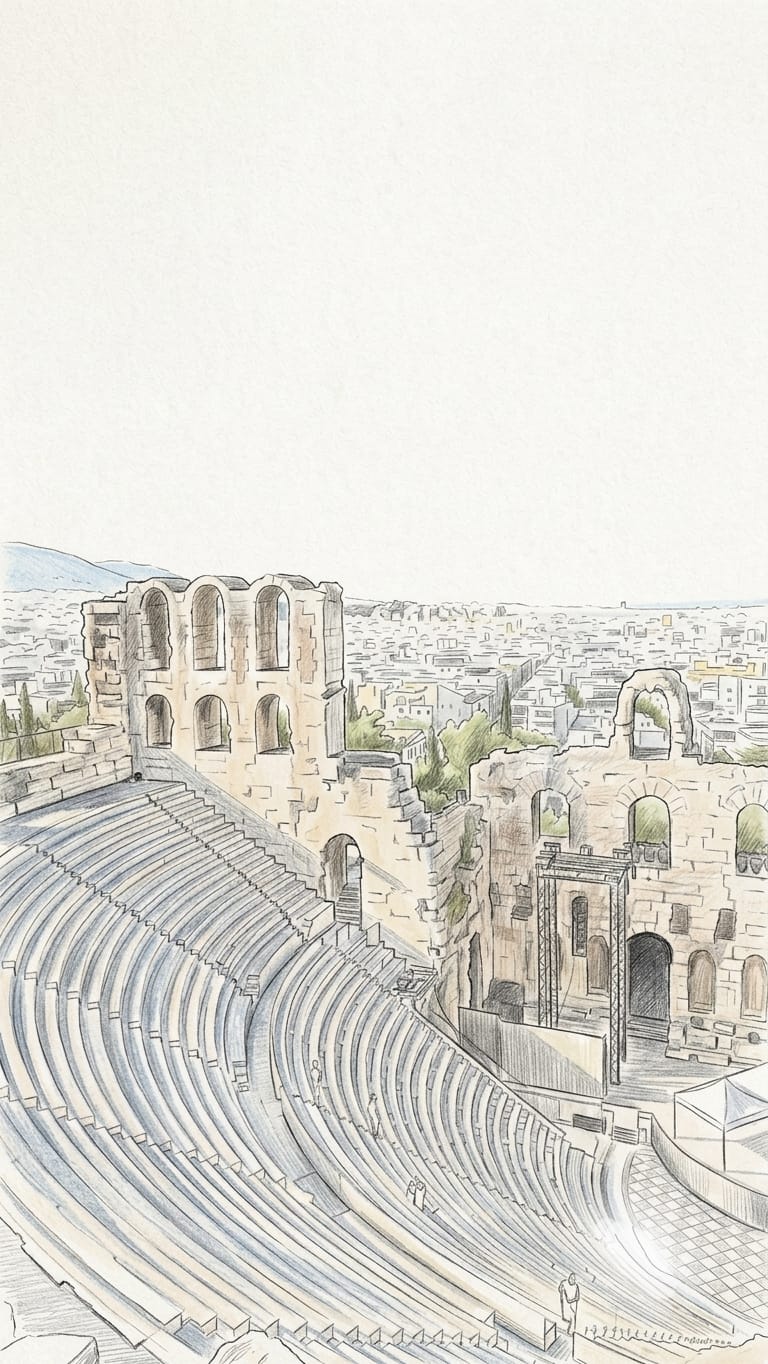
Athens is the country’s cultural and historical heart.
The Acropolis dominates the skyline and provides insight into ancient Greek civilization.
Beyond historical landmarks, visitors discover lively neighborhoods, rooftop restaurants, and vibrant nightlife.
Santorini
Santorini is famous for whitewashed buildings and dramatic volcanic views.
The island attracts honeymooners and photographers from around the world.
Sunsets in Oia remain one of Greece’s most photographed experiences.
Mykonos
Mykonos blends beautiful beaches with a lively social scene.
Luxury hotels, beach clubs, and traditional Cycladic architecture create a unique atmosphere.
Despite its reputation for nightlife, the island also offers quiet corners and scenic villages.
Crete
Crete is Greece’s largest island.
Travelers enjoy a mix of beaches, mountains, ancient sites, and authentic local culture.
Its size makes it ideal for longer stays.
Rhodes
Rhodes combines medieval history with coastal beauty.
The old town features well-preserved architecture, while nearby beaches provide opportunities to relax.
Meteora
Meteora offers one of Greece’s most unique landscapes.
Ancient monasteries sit atop towering rock formations, creating unforgettable views.
Many visitors consider it a highlight of mainland Greece.
Island Hopping in Greece
Island hopping allows travelers to experience several destinations in one trip.
Popular combinations include:
- Athens + Santorini + Mykonos
- Athens + Naxos + Paros
- Crete + Santorini
- Rhodes + Kos
Ferries connect many islands, especially during summer.
Booking transport early often helps secure better prices and schedules.
Greek Food You Should Try
Food plays a major role in the travel experience.
Popular dishes include:
- Moussaka
- Souvlaki
- Gyros
- Greek salad
- Spanakopita
- Fresh seafood
- Baklava
Many travelers focus on famous dishes, but regional specialties often provide the most memorable meals.
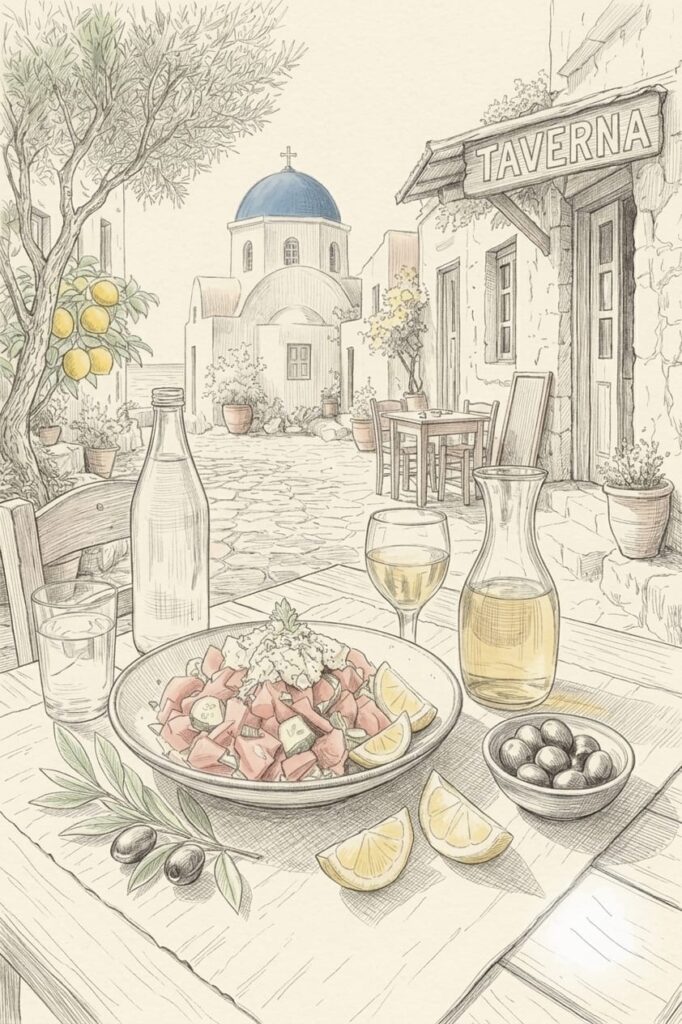
Small family-owned tavernas frequently deliver better value and authenticity than tourist-focused restaurants.
Transportation in Greece
Getting around Greece is relatively straightforward.
Domestic Flights
Flights save time when traveling between distant islands and mainland cities.
Ferries
Ferries remain the most popular way to move between islands.
They range from budget options to high-speed services.
Rental Cars
A rental car works best for exploring Crete, Peloponnese, and rural regions.
It allows access to villages and viewpoints often missed by public transportation.
Public Transport
Athens offers an efficient metro system that connects major attractions and the airport.
Buses operate throughout the country and provide affordable travel.
Travel Costs in Greece
Your budget depends on the season and destination.
Budget Travelers
Expect around €50 to €90 per day.
Hostels, local eateries, and public transportation help reduce expenses.
Mid-Range Travelers
Most visitors spend €120 to €250 per day.
This budget covers comfortable hotels, restaurant meals, and activities.
Luxury Travelers
Luxury experiences can exceed €400 per day, especially on Santorini and Mykonos.
Private tours, premium resorts, and fine dining increase overall costs.
Practical Travel Tips
- Carry cash for smaller towns and villages.
- Book island accommodation early during summer.
- Wear comfortable shoes for archaeological sites.
- Protect yourself from strong summer sun.
- Learn a few basic Greek phrases.
- Check ferry schedules before traveling.
- Visit major attractions early in the morning.
Common Mistakes First-Time Visitors Make
Many travelers spend their entire trip on famous islands.
This often means missing authentic mainland experiences.
Another mistake is visiting too many islands in a short period.
Frequent transfers can reduce time spent enjoying each destination.
Travelers also underestimate ferry travel times, especially when weather conditions affect schedules.
Is Greece Safe for Tourists?
Yes, Greece is generally considered a safe destination.
Violent crime against tourists is uncommon.
Standard precautions remain important, especially in crowded tourist areas where pickpocketing can occur.
Solo travelers, couples, and families typically find Greece welcoming and easy to navigate.
Frequently Asked Questions
How many days do you need in Greece?
A minimum of seven days allows visitors to explore Athens and one or two islands. Ten to fourteen days provides a more balanced experience.
Which Greek island is best for first-time visitors?
Santorini offers iconic scenery, while Crete provides greater variety. The best choice depends on your travel style.
Is Greece expensive?
Greece can fit most budgets. Popular islands cost more, while mainland regions and lesser-known islands often provide better value.
Do people speak English in Greece?
English is widely spoken in tourist areas, hotels, restaurants, and transportation hubs.
What is the best month to visit Greece?
September is often considered the best month because the weather remains warm and crowds begin to decline.
Final Thoughts
Greece offers much more than postcard views and famous islands. Ancient history, regional food, diverse landscapes, and local culture create experiences that stay with travelers long after the trip ends. Planning around your interests, budget, and season will help you discover a side of Greece that many visitors never see.