In 2026, Switzerland remains one of the most stable, prosperous, and picturesque countries in the world. It is a country where cutting-edge technology coexists with centuries-old traditions, and the rugged Alps coexist with high-tech cities.
Switzerland’s geographical location in the center of Europe, far from the coast, is offset by the striking diversity of its landscapes. The Alps, which occupy approximately 60% of the territory, form three distinct natural zones: the picturesque Jura foothills, the vast and fertile Swiss Plateau (Mittelland), and the majestic High Alps, crowned by the famous peaks of the Matterhorn and Dufour (4,634 m).
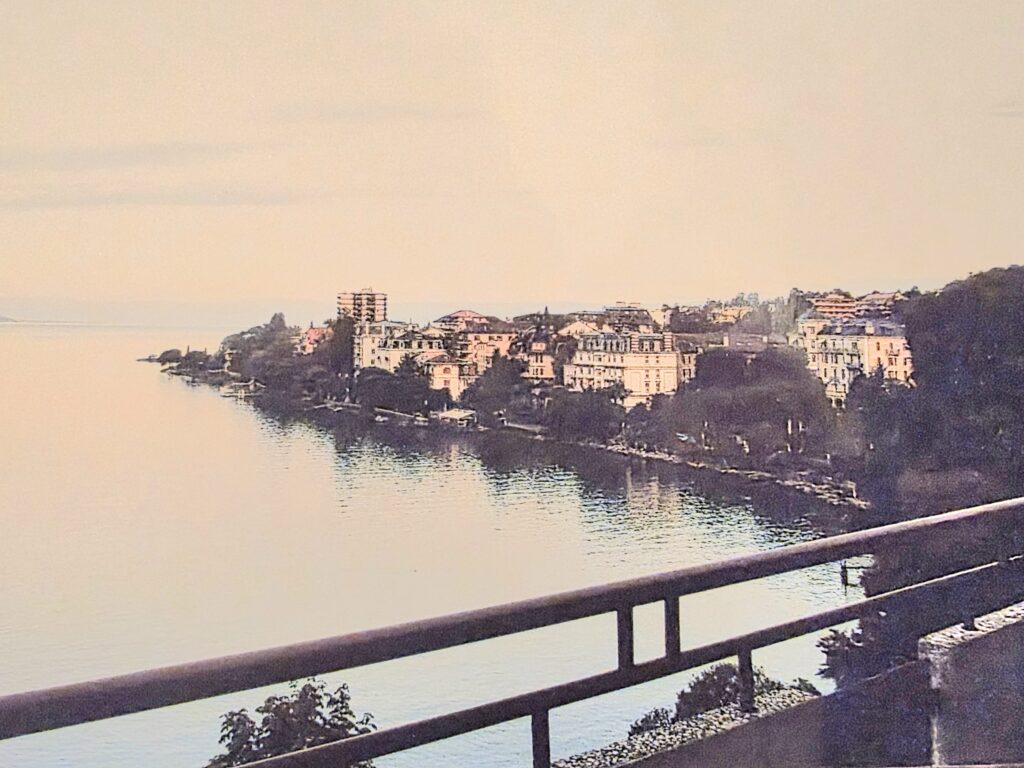
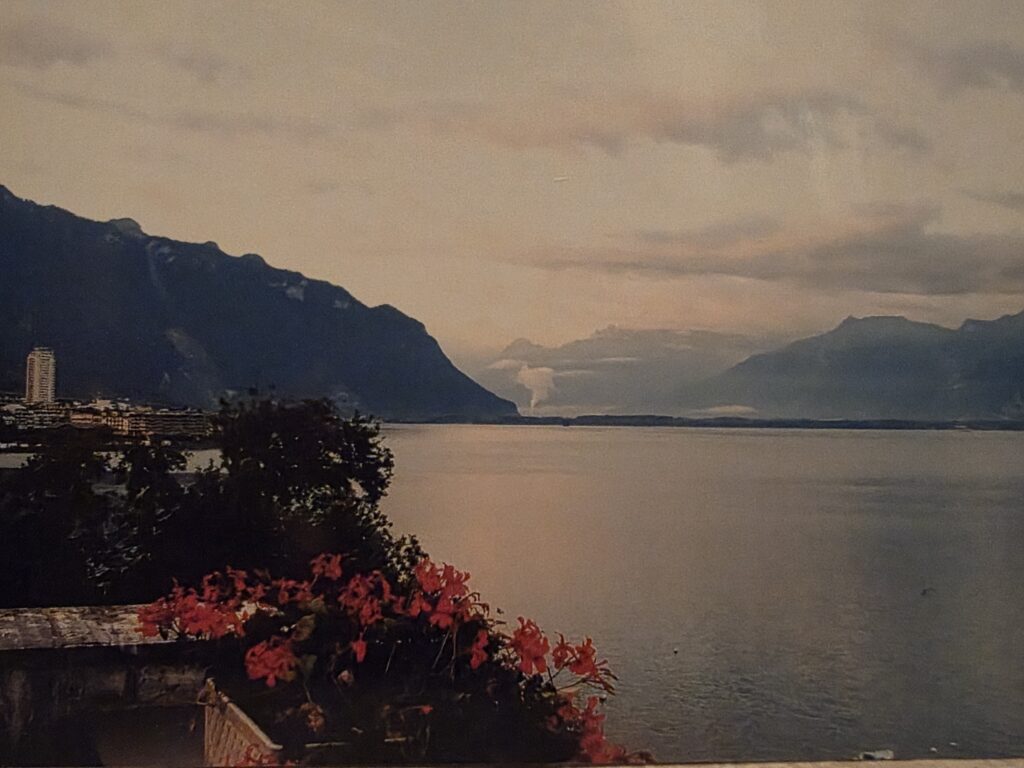
The country is a true “water reservoir” of Europe, containing 6% of the continent’s freshwater. Its water wealth is represented by 1,500 lakes, among which Lake Geneva and Lake Constance stand out, as well as the sources of the major rivers – the Rhine and the Rhone.
Switzerland’s climate is also impressive: from the icy expanses of high-altitude glaciers, such as the Aletsch, to the subtropical microclimate of southern Ticino, where palm trees can be found.
Switzerland is a unique country, where power is divided among 26 regions (cantons), and it is a federal republic.
The people decide: Swiss residents often vote in special popular votes (referendums) on the most important issues affecting the entire country.
Diverse languages spoken: Four official languages are spoken in Switzerland: German, French, Italian, and Romansh.
Always aloof from wars: Switzerland does not participate in military conflicts and always remains neutral. This makes it the home of the headquarters of important organizations such as the UN, WTO, and the Red Cross.
Alpine Flavors: Switzerland’s Gastronomic Heritage
Swiss cuisine is a hearty and authentic blend of distinctive farm recipes and culinary influences from neighboring countries such as France, Germany, and Italy.
Cheese is the heart of Swiss cuisine: It’s impossible to imagine a Swiss table without cheese. The famous fondue and raclette are not just dishes, but entire rituals designed to bring people together. Cheeses such as Gruyère and Emmental are considered the benchmark for quality in global cheesemaking.
Chocolate Mastery: Switzerland rightfully bears the title of the world capital of chocolate. It was here that milk chocolate production and conching technologies were developed, giving the world its delicate, melting texture. Leading producers, including Lindt, Sprüngli, and Teuscher, continue to use the finest Alpine milk to maintain the highest quality standards.
A variety of regional dishes: German-speaking regions of the country are particularly fond of rösti—crispy potatoes, grated and fried. Zurich is famous for its tender Zurich-style veal, while Geneva favors lake fish delicacies.
The Swiss Economy: Innovation Leading to Quality
Switzerland is rightfully considered a global leader, demonstrating outstanding achievements in innovation and superior efficiency.
Key Growth Drivers: Pharmaceutical companies such as Roche and Novartis, precision watchmaking, and a developed banking sector form the foundation of its economic success.
Scientific Foundation: CERN, located near Geneva, is not only a center for cutting-edge physics research but has also played a crucial role in the development of key internet technologies.
Cities: Where the past meets the future
Bern: A capital where time stands still beneath the vaults of ancient UNESCO-protected arcades, creating an atmosphere of tranquility.
Zurich: A pulsating financial center, enlivened by a vibrant arts and culture scene.
Geneva: A city where ideas for peace and kindness are born, a beacon for diplomacy and humanitarian initiatives.
Lucerne: A charming gem by the lake, whose beauty is highlighted by the iconic Chapel Bridge.
Basel: A crossroads of three countries, where art and science, particularly in the field of pharmacology, flourish in a unique symbiosis.
Transportation and Infrastructure: Switzerland’s transport system is exemplary. Its SBB rail network is recognized as the most punctual in Europe, and the Gotthard Base Tunnel, at 57 km, is the longest in the world, connecting northern and southern Europe through the Alps.
Switzerland in 2026: The country is an island of stability in an unstable world. It continues to demonstrate a successful combination of economic prosperity, environmental stewardship, and the preservation of its unique cultural and culinary heritage.
Switzerland’s Appeal: Tourists are drawn by the unique combination of majestic Alpine scenery, ancient castles, and cutting-edge scientific facilities.
Must-See: Natural Masterpieces:
Matterhorn (Zermatt): Marvel at the iconic pyramid-shaped peak. In 2026, enjoy the pristine air of Zermatt, where cars are still prohibited.
Rhine Falls: Experience the power of Europe at the continent’s largest waterfall. The best angles for photos and impressions are from the viewing platforms of Laufen Castle.
Lauterbrunnen Valley: Immerse yourself in the fairy tale that inspired Tolkien. This picturesque valley with sheer cliffs is dotted with 72 waterfalls, including the majestic Staubbach.
Aletsch Glacier: Marvel at the scale of the largest Alpine glacier – a 23-kilometer-long ice river, protected by UNESCO.
Architectural monuments of the past
Chillon Castle (Montreux): Perched on a cliff overlooking Lake Geneva, this castle is Switzerland’s most popular historical landmark. Its picturesque, fairytale-like appearance contrasts with the somber atmosphere of Lord Byron’s poem dedicated to it.
Gruyères Castle: Located in the famous cheese-making village of Gruyères, this castle offers not only a medieval immersion but also a visit to an unusual surrealist museum and a bar designed by H.R. Ginger, the creator of the alien creature in the film “Alien.”
Bern’s Old Town: Stroll through miles of medieval galleries, admire the famous Tocologist clock, and marvel at 16th-century fountains adorned with unique sculptures.
Modernity and Science: A Journey into a World of Discovery
CERN (Geneva): The Cradle of Great Mysteries. Within the walls of this European nuclear research center, where the heart of the Large Hadron Collider beats, a new center, the Science Gateway, will open its doors in 2026. An architectural masterpiece by Renzo Piano, it promises to be a portal to a world of interactive scientific discovery accessible to everyone.
Swiss Transport Museum (Lucerne): A Symphony of Movement. This museum, recognized as a jewel of Switzerland, presents a grand panorama of human ingenuity. From the first tentative steps of steam engines to daring flights into space, the entire history of movement comes to life here, inviting visitors on a fascinating journey through the centuries.
Travel with breathtaking views
Looking to take in all the splendor at a glance? Then the Glacier Express is a must-see. Known as the “world’s slowest express train,” this train will take you through the picturesque Alps in 8 hours, crossing 291 bridges and 91 tunnels. Its panoramic windows will offer truly unforgettable views.
Recommendation: If your plans include visiting numerous cities and museums, purchasing a Swiss Travel Pass is the smartest decision. This pass gives you unlimited access to trains and free admission to over 500 museums.