
Pakistan, the pearl of South Asia, beckons travelers with its breathtaking mountain peaks, echoes of ancient civilizations, a kaleidoscope of vibrant cultural traditions, and heartwarming hospitality.
In Pakistan, you’ll find it all: from the soaring mountains of the north to bustling cities and ancient landmarks. This is a country where truly unforgettable adventures await.
Where is Pakistan located?
Pakistan, a country bordering India, Afghanistan, Iran, and China, occupies the heart of South Asia. To the south, its shores are caressed by the waves of the Arabian Sea.
The landscapes of its territory exhibit striking diversity: here you can find sun-baked deserts and vast plains, as well as mountain ranges that are among the highest on the planet.
Why visit Pakistan?
A place where nature has created monumental mountain ranges, some of the most magnificent on Earth.
Its history spans a thousand years, is rich in events and achievements.
Distinctive cultures and a diversity of traditions flourish here, making it a priceless treasure.
Affordable prices.
An ideal destination for those seeking unforgettable adventures and immersion in nature.
Discover a world of exciting adventures and eco-travel!
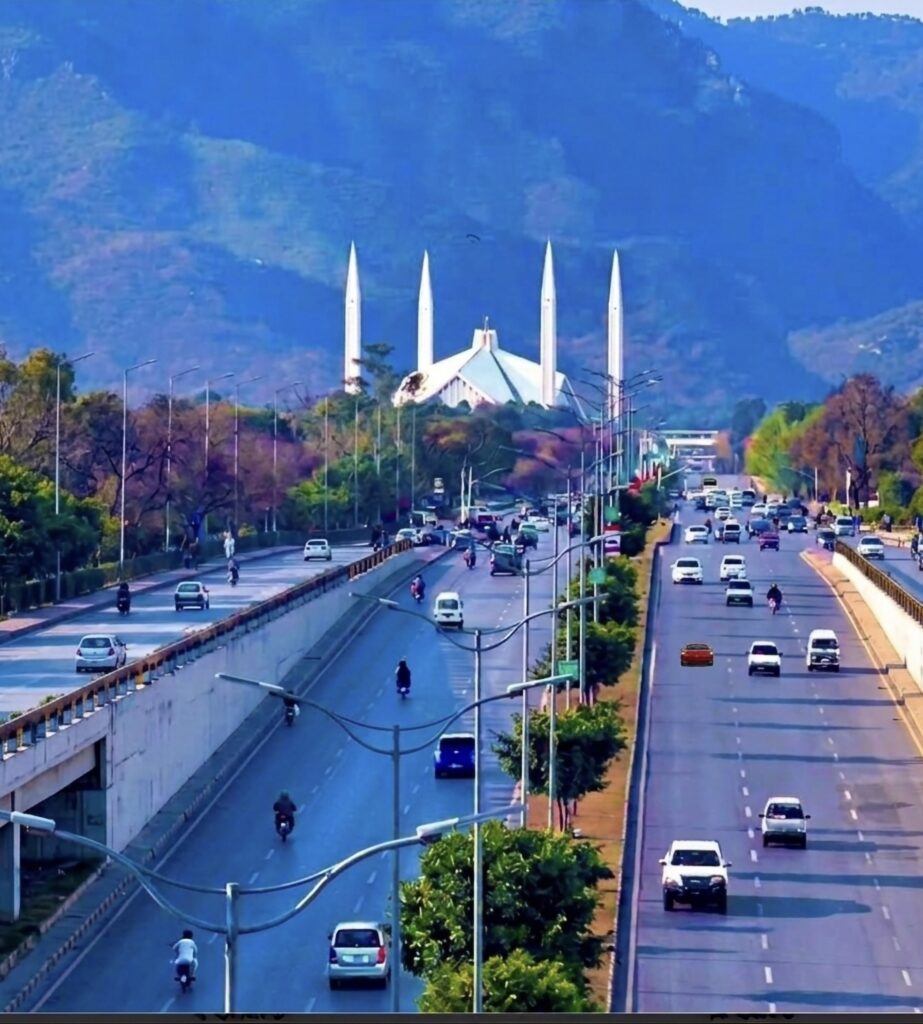
Islamabad: This pearl-like city lies amidst picturesque landscapes, impressing with its cleanliness and modern appearance.
Lahore: The heart of culture, Lahore beckons visitors with its majestic buildings, including the dazzling Badshahi Mosque and the ancient Lahore Fort.
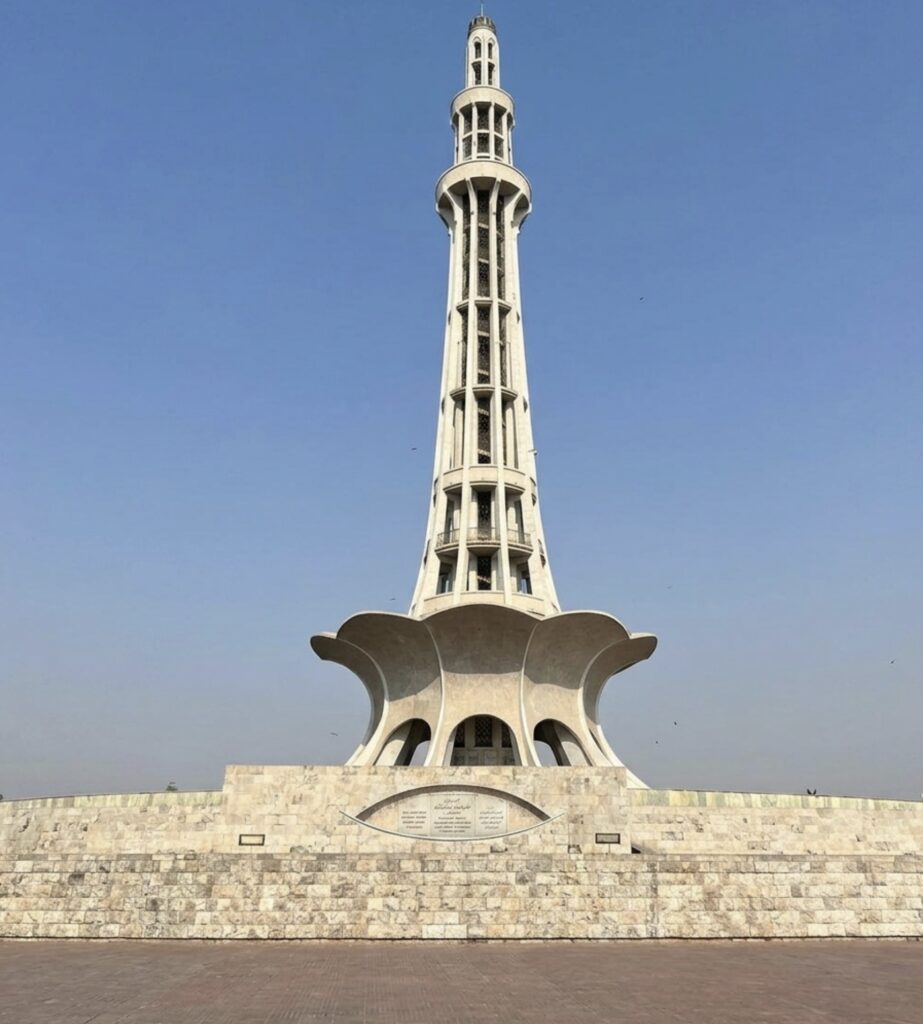
Karachi is the main city and economic hub. The Hunza Valley is renowned for its breathtaking views and majestic mountain ranges.
Fairy Meadows: A truly magical place offering breathtaking views of the majestic Nanga Parbat.
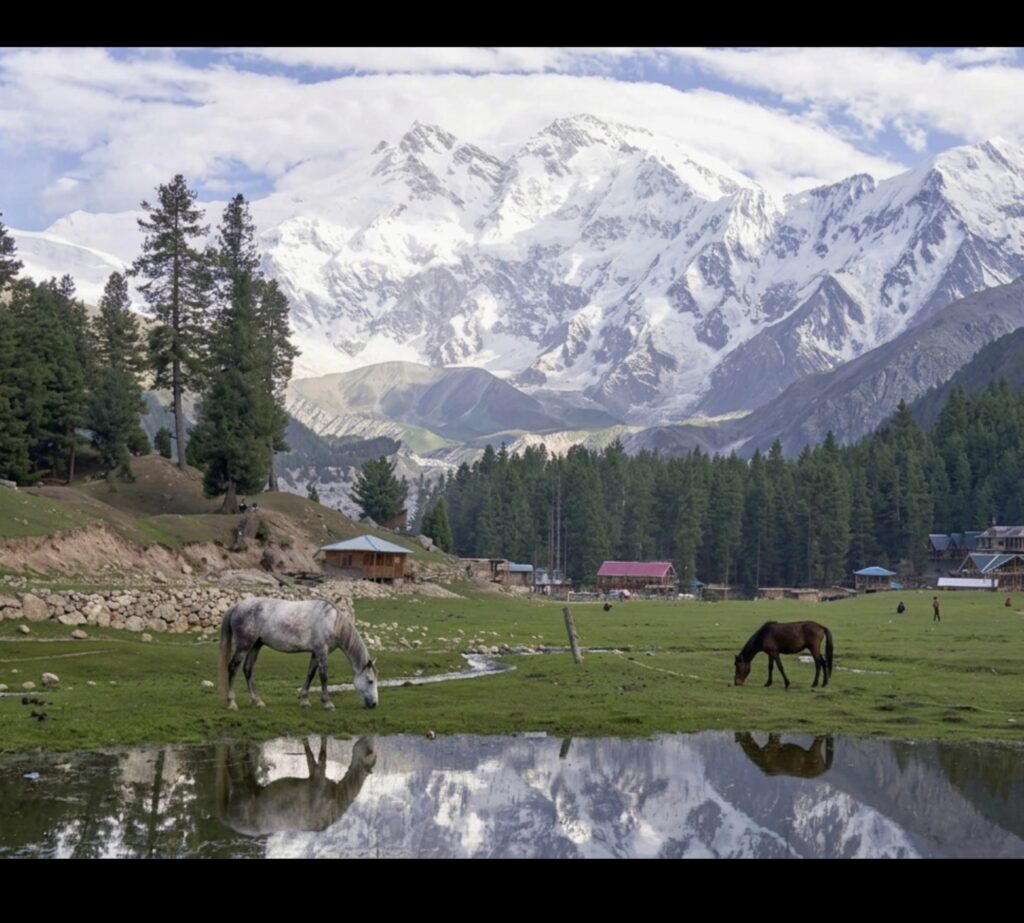
Skardu: Skardu serves as a gateway to the highest peaks, opening the way to K2 and the majestic Karakoram Range.
Mountains and Nature
Pakistan is home to three of the planet’s most majestic mountain ranges: the majestic Himalayas, the rugged Karakoram, and the mighty Hindu Kush.
In the heart of northern Pakistan lie the Deosai Plains, nicknamed the “Land of Giants.” This is one of the highest plateaus on the planet, where alpine expanses, averaging over 4,000 meters above sea level, stretch between the picturesque Skardu and Astore valleys, forming an integral part of the grand Karakoram mountain range in the western Himalayas.
Deosai’s uniqueness lies in its amazing ability to transform itself, revealing breathtaking scenes with each changing season.
For most of the year, it’s a kingdom of eternal snow, but with the arrival of the short summer, it transforms into an emerald plateau, where beauty takes your breath away. Wildflowers bloom here, crystal streams gurgle, and the horizons stretch off into infinity like a mirage.
These endless Deosai plains are more than just vast expanses; they’re a protected area, a true paradise for rare and endangered species. Here you can encounter the majestic Himalayan brown bear, nimble golden marmots, graceful ibex, and entire flocks of endangered migratory birds.
This land, soaring to the heavens and preserving its pristine purity, is a living testimony to untouched nature on a global scale.
This land seems to have stepped from another planet – shrouded in silence, filled with grandeur, and alien to the bustle of our world. On clear days, when snow-capped peaks embrace emerald valleys, a heart-stopping spectacle emerges – one of Pakistan’s most captivating natural landscapes. The Deosai Plateau is a true dream for those seeking solitude with nature, striving to capture its beauty, or thirsting for exciting adventures.
Lake Attabad: In the heart of Hunza lies Lake Attabad, its waters shimmering in every shade of turquoise, like a precious stone.
Natural Resources: Majestic glaciers descend to the foothills of the mountains, feeding swift rivers, while above lie picturesque alpine meadows strewn with flowers.
Legacy of Centuries: Pakistan preserves the echoes of one of the most ancient civilizations on the planet.
Cradle of Antiquity: The ruins of Mohenjo-Daro and Harappa tower here, witnesses to the former glory of the Indus Valley Civilization, whose history spans over four millennia.
One of the earliest civilizations known to humanity, the Indus Valley Civilization, arose in what is now Pakistan. It flourished over four millennia ago and is rightfully considered one of the first examples of a developed urban culture in world history.
Mohenjo-daro and Harappa are two true archaeological treasures, revealing a society remarkably advanced for its time. Their ruins reveal cities with perfectly planned streets, complex water drainage systems, uniform brick construction, and clearly delineated residential and commercial districts.
The Indus Valley Civilization is astonishing in its mastery of urban design. Settlements like Mohenjo-daro were laid out on a precise grid, demonstrating a remarkable level of engineering and urban organization that placed them far ahead of many contemporaries.
Houses equipped with private wells and bathrooms demonstrate advanced concepts of personal hygiene and public health for their time.
Despite clear evidence of sophistication, this civilization holds many unsolved mysteries. The undeciphered script of the Indus people is a key obstacle to understanding their religious beliefs, system of governance, and everyday life, leaving gaps in our knowledge.
Mohenjo-Daro and Harappa are currently recognized as UNESCO World Heritage Sites. These ancient cities continue to attract researchers, scholars, and tourists from around the world, offering a unique opportunity to experience one of the earliest and most impressive civilizations in human history.
Pakistani cuisine, renowned for its rich flavors and wide range of dishes, is a striking example of culinary synthesis. It has incorporated the best traditions of South Asia, Central Asia, and the Middle East, creating a unique and distinctive gastronomic culture.
The mastery of her cuisine is evident in the skillful combination of rich spices, rich aromas, and hearty dishes that serve as a culinary embodiment of the country’s history and its regional diversity.
Among Pakistan’s culinary gems, biryani holds a special place – it’s not just a dish, but a journey for the taste buds. Fragrant basmati rice, tender meat (usually chicken or beef), creamy yogurt, and a bouquet of exquisite spices such as saffron, cardamom, and cloves merge to create a unique, deep flavor. Every corner of Pakistan boasts its own unique biryani recipe, but they all invariably convey a sense of celebration and abundance.
Karahi holds a special place among unmissable culinary discoveries. This delicious curry, made with tender chicken or succulent lamb, unleashes its full palette of flavors thanks to the traditional cooking method in a deep pan called “karahi.” The combination of ripe tomatoes, aromatic garlic, piquant ginger, and fiery green chili creates a unique, rich, and refreshing tartness. Karahi is traditionally served with airy naan or crispy roti, making the meal truly authentic.
Nihari is a culinary treasure, a slow-simmered meat traditionally enjoyed at dawn. It is prepared with the most tender beef or lamb, steeping in the aromas of spices for hours overnight until it reaches melt-in-the-mouth perfection.
Traditionally, this dish is enhanced with vibrant accents: fresh ginger, zesty green chili, refreshing lemon, and, of course, airy naan bread.
From the heart of Khyber Pakhtunkhwa comes chapli kebab—a culinary treasure that captivates the hearts of gourmets. These tender, flat patties, expertly crafted from minced beef or lamb, are infused with the aromas of spicy herbs, juicy tomatoes, and zesty pomegranate seeds. Their crispy outer crust beckons, while the interior conceals a tender, juicy texture. Chapli kebab is traditionally served with refreshing yogurt or aromatic chutney, creating a perfect balance of flavors.
In Pakistan, it’s impossible to imagine a dinner table without aromatic, traditional tea. This rich, milky drink, often with spicy notes of cardamom, has become an integral part of the daily life of every resident of the country. Tea here is more than just a thirst quencher; it embodies the warmth of a welcome, the sincerity of friendship, and the joy of social interaction.
Pakistani cuisine is a true journey for the taste buds, where every meal reveals centuries-old traditions and offers an unforgettable gastronomic experience.
When is the best time to go?
• Spring (March–May) is a great time with mild weather and fresh air.
• Autumn (September–November) is ideal for those wanting to visit the northern regions.
• Summer is the best time to head to the mountains—it’s cool and beautiful there.
• Winter is great for strolling around the cities and enjoying the urban atmosphere.
Immersive Pakistan: Travel Tips
• Entry Documents: Before traveling, make sure you have the required visa. Fortunately, citizens of many countries have access to a simplified e-visa process.
• Finances: The country’s currency is the Pakistani rupee.
• Soul of the Country: Hospitality is more than just a word; it’s an integral part of Pakistani culture, so expect a warm welcome.
• Respect for Traditions: To show respect for local customs, dress modestly, especially when exploring scenic rural areas.
• Pakistan is a land where nature meets history and culture, creating a unique kaleidoscope of experiences. Whether you’re conquering mountain peaks or delving into the mysteries of ancient civilizations, every traveler will find something special that will stay in their heart forever.