
Ancient Cilicia
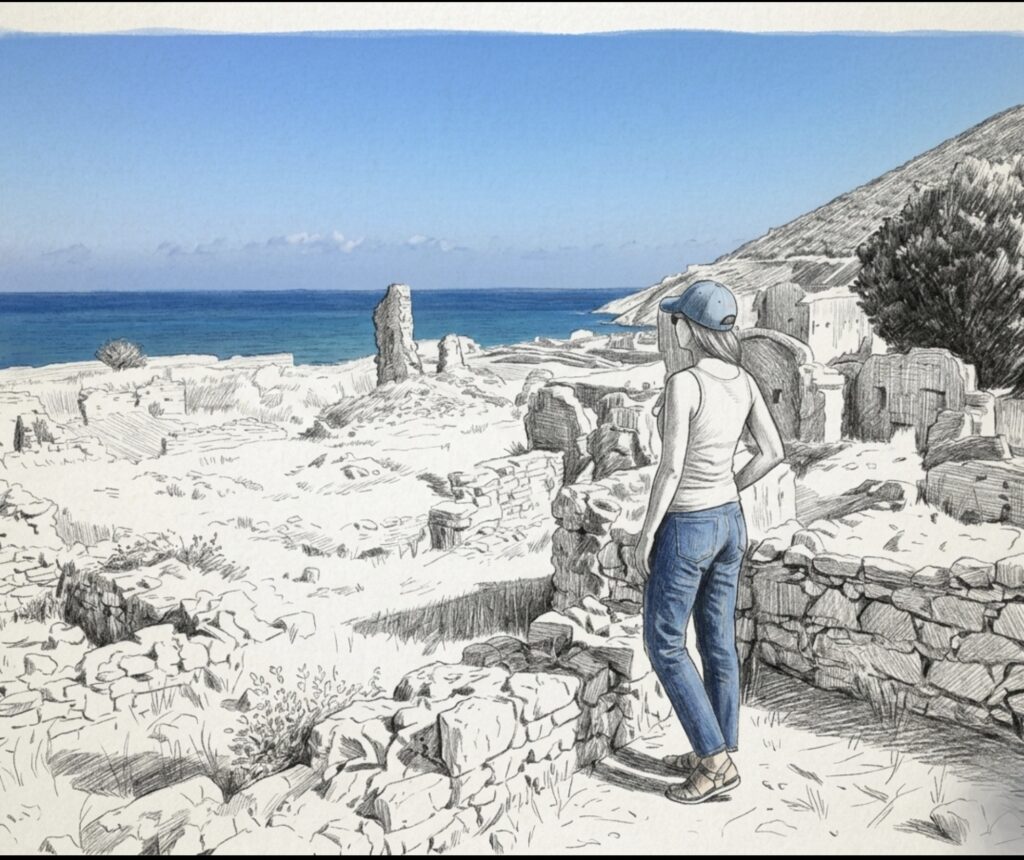
“Among these ancient stones, you catch an amazing sense of peace. The sea, a warm breeze, and complete harmony with yourself.”
Situated on the southeastern edge of Asia Minor, in present-day southern Turkey, the historical territory of Cilicia occupied a vital position. Its geography, defined by the Mediterranean Sea to the south, the formidable Taurus Mountains to the north, and bordering Syria, established it as a crucial nexus connecting Anatolia, the Middle East, and the broader Mediterranean sphere.
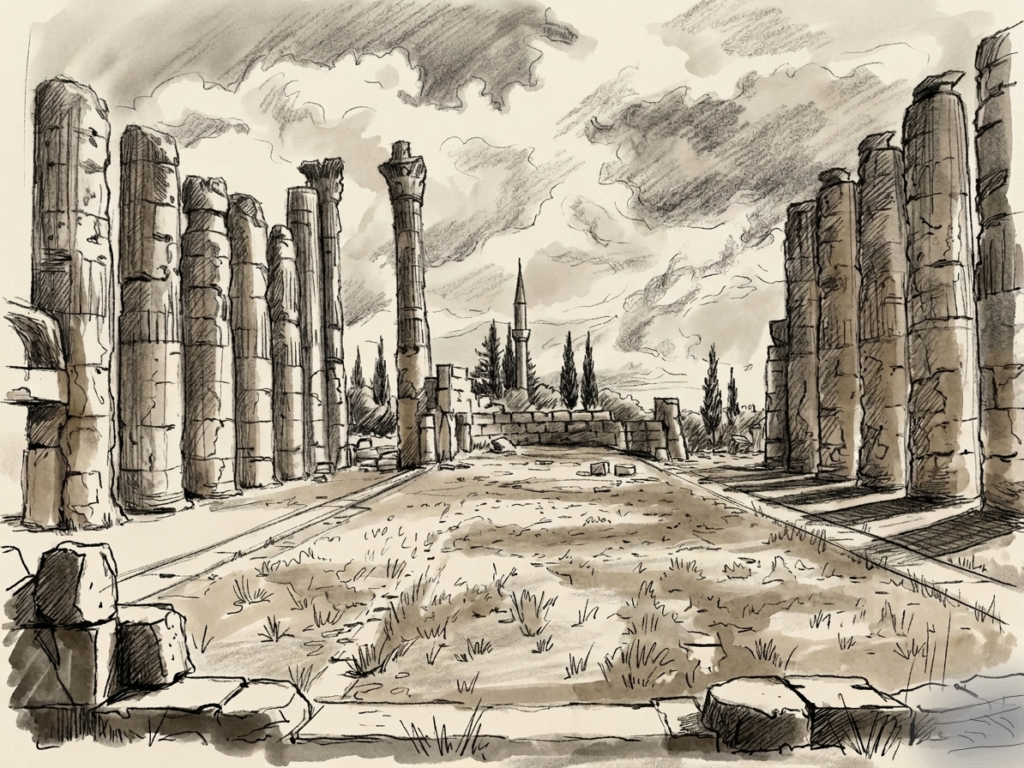
Cilicia was geographically bifurcated into the rugged terrain of western Cilicia (Cilicia Trachea) and the productive eastern plains (Cilicia Pedias). This advantageous location, coupled with its abundant agricultural resources, propelled Cilicia to prominence as a hub for commerce, cultural exchange, and military endeavors throughout antiquity.
The region experienced a succession of rulers from various empires, including the Hittites, Assyrians, Persians, Greeks, Romans, Byzantines, and Ottomans.
Cilicia was renowned for its maritime access through its ports, its productive plains yielding vital crops like grain and cotton, and its strategic mountain routes, which facilitated passage between Anatolia, Syria, and Mesopotamia. These pathways rendered the area a pivotal conduit for military movements, trade caravans, and journeys.
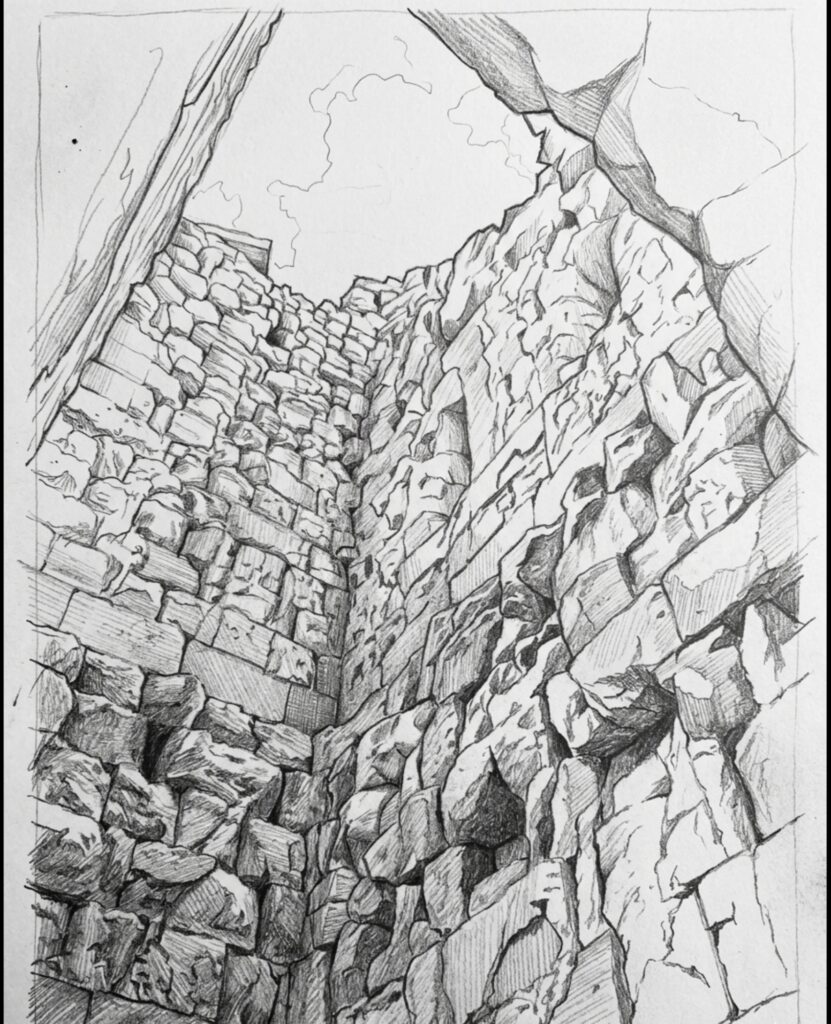
The enduring imprint of ancient Cilicia is still visible today through its archaeological remnants, fortifications, ancient settlements, and cultural legacy scattered across modern southern Turkey. This area continues to stand as one of the most historically significant locales in the eastern Mediterranean.