
Thean Hou Temple
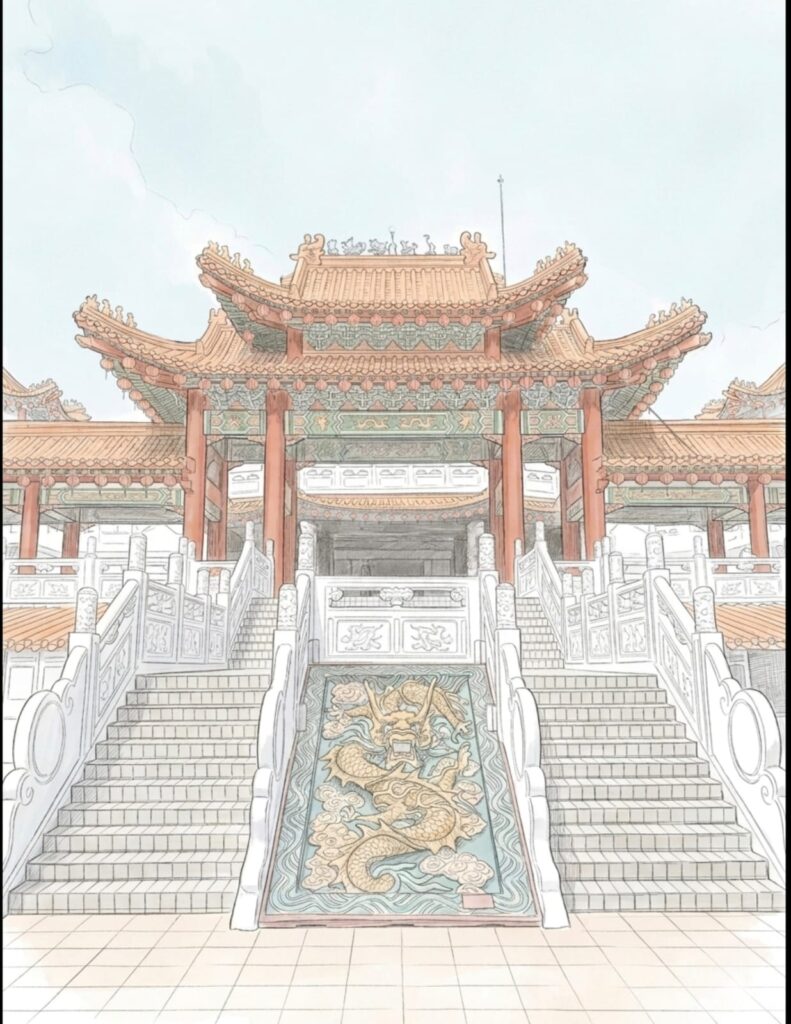
Thean Hou Temple in Kuala Lumpur is a six-tiered Chinese temple dedicated mainly to the sea goddess Mazu (Tian Hou). It’s one of the city’s most iconic religious and cultural landmarks, known for its vivid red lanterns, ornate rooftops, and skyline views over Kuala Lumpur.
Key facts
- Location: Robson Heights, near Kuala Lumpur city center
- Completed: 1987, officially opened in 1989
- Main deity: Mazu / Tian Hou, with statues of Guanyin and Shui Wei Sheng Niang
- Opening hours: Typically 8:00 AM – 10:00 PM daily
- Entrance fee: Free (donations welcomed)
Background and religious significance
The temple was built by the local Hainanese community as a place of worship and cultural center. It blends Buddhism, Taoism, and Confucianism: the main hall enshrines Tian Hou (Thean Hou), flanked by the Goddess of Mercy (Guanyin) and the Goddess of the Waterfront (Shui Wei Sheng Niang). This syncretic mix reflects the beliefs of many Chinese communities in Malaysia.
Architecture and layout
Thean Hou Temple is famous for its multi-tiered pagoda roofs, sweeping eaves, and hundreds of red lanterns strung across the main courtyard. The complex includes a grand staircase, a spacious prayer hall with intricate ceiling patterns, a marriage registration office, a Chinese medicinal herb garden, and a courtyard lined with statues of the twelve Chinese zodiac animals. Upper levels offer panoramic views of nearby high-rises and the broader cityscape.
Visitor experience
Visitors can explore most areas freely, photograph the architecture, and observe worshippers performing incense offerings and divination rituals. Modest dress is recommended; shoes must be removed in the prayer hall but are generally allowed elsewhere. Evenings and major festivals—especially Chinese New Year and Mid-Autumn—transform the temple into a glowing sea of lanterns and are particularly popular times to visit.